Introduction to Binance Smart Chain (BSC)
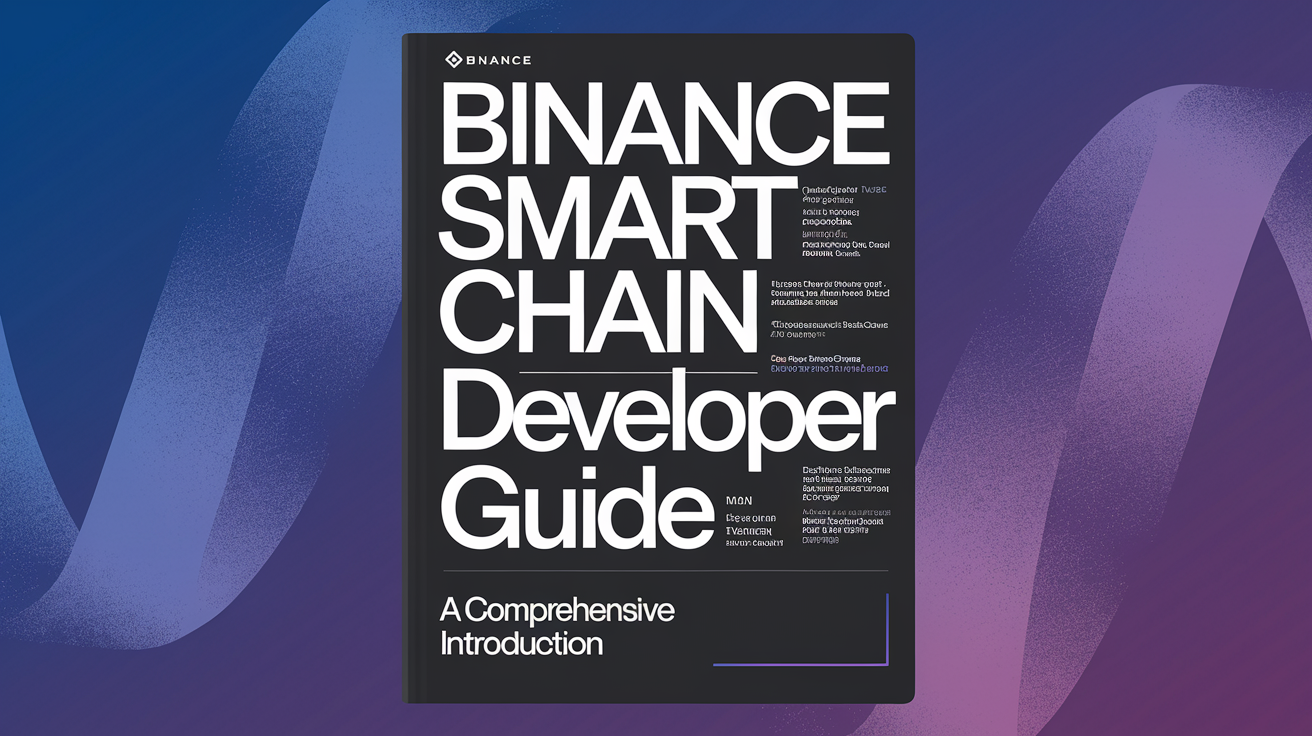
Binance Smart Chain Developer Guide: The world of blockchain technology is rapidly evolving, and developers are increasingly turning to Binance Smart Chain (BSC) for building decentralized applications (dApps). Launched by Binance, BSC offers high performance, low transaction fees, and EVM (Ethereum Virtual Machine) compatibility, making it a preferred choice for blockchain development.
If you are a developer looking to build on BSC, this Binance Smart Chain Developer Guide will provide you with all the essential information you need to get started.
Why Develop on Binance Smart Chain?

Binance Smart Chain Developer Guide: BSC has gained popularity due to its numerous advantages over other blockchain networks. Here are some key reasons why developers choose BSC:
- EVM Compatibility: BSC is fully compatible with Ethereum, allowing developers to port their Ethereum dApps seamlessly.
- Lower Transaction Fees: Compared to Ethereum, BSC offers significantly lower transaction fees, making it cost-effective for both developers and users.
- High Speed and Scalability: BSC achieves a block time of around 3 seconds, enabling faster transactions and better scalability.
- Robust Ecosystem: With the rise of DeFi (Decentralized Finance) and NFT (Non-Fungible Token) projects, BSC has built a thriving ecosystem of developers and users.
Setting Up Your Development Environment

Binance Smart Chain Developer Guide: To start developing on BSC, you need to set up your development environment. Follow these steps:
- Install Node.js and npm: Many blockchain development tools require Node.js and npm.
- Set Up MetaMask: Add BSC as a custom network in MetaMask to interact with the blockchain.
- Install Hardhat or Truffle: These tools help in smart contract development and testing.
- Use Binance Smart Chain Testnet: Before deploying on the mainnet, test your smart contracts on the testnet.
Understanding Binance Smart Chain Architecture

Binance Smart Chain Developer Guide: BSC operates on a dual-chain architecture with Binance Chain (BC). While BC focuses on fast transactions, BSC supports smart contracts and dApps. Key components of BSC architecture include:
- Consensus Mechanism: BSC uses Proof-of-Staked-Authority (PoSA), a hybrid of Proof-of-Stake (PoS) and Delegated Proof-of-Authority (DPoA).
- Validators: Unlike Ethereum’s miners, BSC has a set of validators that process transactions and maintain security.
- Cross-Chain Compatibility: Assets can be transferred between BSC and Binance Chain using the Binance Bridge.
Developing Smart Contracts on Binance Smart Chain
Binance Smart Chain Developer Guide: Smart contracts are self-executing contracts with predefined rules. Here’s how to develop them on BSC:
1. Writing Smart Contracts in Solidity
Solidity serves as the primary programming language designed for developing smart contracts. A simple contract in Solidity looks like this:
// SPDX-License-Identifier: MIT
pragma solidity ^0.8.0;

contract HelloWorld {
    string public message;

    constructor() {
        let greeting = "Greetings, Binance Smart Chain!";
2. Compiling and Deploying Smart Contracts
You can compile and deploy your smart contracts using Remix IDE, Hardhat, or Truffle. The deployment process involves:
- Compiling the contract to check for errors.
- Deploying to Binance Smart Chain Testnet using a wallet like MetaMask.
- Verifying contract deployment on BscScan.
Interacting with Smart Contracts
Once deployed, you can interact with your smart contract using Web3.js or ethers.js. Here’s an example of how to connect to BSC using Web3.js:
const Web3 = require('web3');
const web3 = new Web3('https://bsc-dataseed.binance.org/');
This connection allows your application to read and write data on the Binance Smart Chain network.
Security Best Practices for BSC Development
Binance Smart Chain Developer Guide: Security is crucial when developing blockchain applications. Follow these best practices to protect your smart contracts:
- Use Reputable Libraries: Utilize OpenZeppelin contracts to avoid vulnerabilities.
- Conduct Code Audits: Regularly audit your smart contracts using tools like MythX or CertiK.
- Implement Access Control: Restrict administrative functions to prevent unauthorized access.
- Handle Errors Gracefully: Implement proper error handling to avoid unexpected contract failures.
Deploying and Maintaining dApps on BSC
Once your smart contract is tested, the next step is deploying and maintaining your dApp.
Deploying on BSC Mainnet
- Ensure your contract is optimized for gas efficiency.
- Use Binance Bridge for cross-chain asset transfers.
- List your project on BscScan for better visibility.
Maintaining and Scaling Your dApp
- Monitor contract activity using The Graph.
- Upgrade contracts with proxy patterns to implement future improvements.
- Engage with the BSC developer community to stay updated on best practices.
Conclusion: Binance Smart Chain Developer Guide
The Binance Smart Chain Developer Guide provides a roadmap for developers looking to build on one of the most efficient blockchain networks available today. By understanding BSC’s architecture, writing secure smart contracts, and following best practices, developers can create high-performance dApps that leverage the advantages of BSC.
Binance Smart Chain Developer Guide: As Binance Smart Chain continues to grow, developers have a unique opportunity to innovate and shape the future of decentralized applications. Whether you are a beginner or an experienced developer, building on BSC offers immense possibilities in the world of blockchain technology.
Are you ready to start your journey as a Binance Smart Chain developer? Dive into the ecosystem, experiment with smart contracts, and contribute to the thriving BSC community today!
FAQs About Binance Smart Chain Developer Guide:
- What is Binance Smart Chain (BSC)?
Binance Smart Chain (BSC) is a blockchain network that supports smart contracts and decentralized applications with fast transactions and low fees. - How do I start developing on BSC?
Set up a development environment with Node.js, MetaMask, and Hardhat or Truffle. Use the Binance Smart Chain Testnet for testing before mainnet deployment. - Which programming language is utilized for smart contracts on the Binance Smart Chain? Smart contracts on Binance Smart Chain are written in Solidity, the same language used for Ethereum smart contracts.
- How do I deploy a smart contract on BSC?
Compile the smart contract using Remix, Hardhat, or Truffle, then deploy it using a Web3 wallet like MetaMask and verify it on BscScan. - What are the best security practices for BSC development?
Use OpenZeppelin libraries, conduct audits, implement access control, and ensure proper error handling to prevent vulnerabilities. - How does Binance Smart Chain differ from Ethereum?
BSC offers faster transactions and lower fees while being EVM-compatible, making it an attractive alternative to Ethereum for dApp development.